
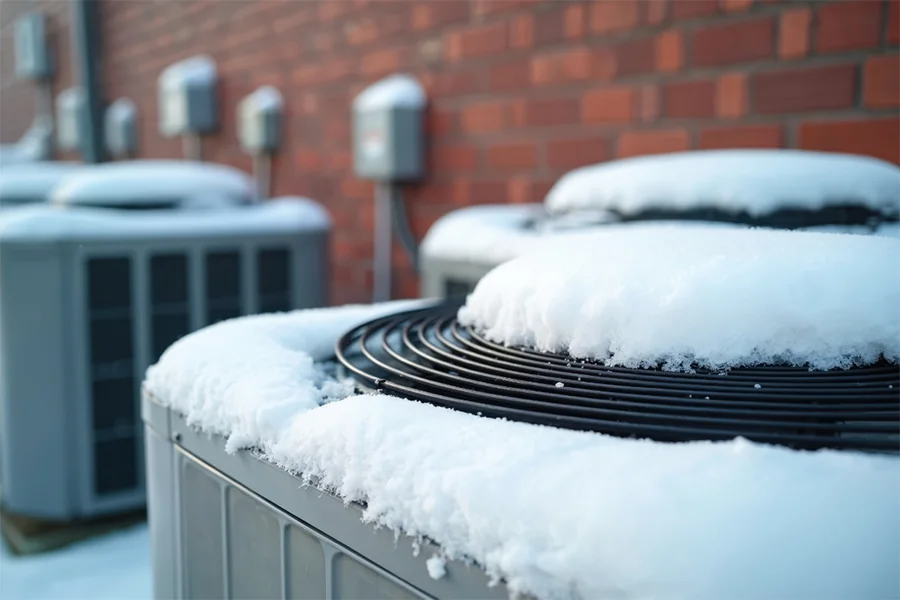
By the time January settles into Central Minnesota, heating systems have very little time to rest. Cold days stack up back-to-back, nights stay well below freezing, and furnaces run longer and more often just to keep homes comfortable. This is often when homeowners are surprised to find their system struggling, even if everything seemed fine earlier in the winter.
Understanding why January is so demanding can help you spot problems early, manage energy costs, and avoid unexpected breakdowns during the coldest part of the year.
Why heating systems work harder in January
During fall and early winter, heating systems cycle on and off with some downtime in between. January is different. Temperatures stay consistently low, which means systems run for longer stretches with fewer breaks. Every component, from motors to sensors to airflow pathways, has to perform day after day.
This constant operation puts added stress on parts that may already be worn. Issues that didn’t affect comfort in November can become noticeable once the system is pushed to its limits.
Small inefficiencies become bigger problems
Minor inefficiencies often go unnoticed when heating demand is moderate. A slightly dirty filter, restricted airflow, or aging component may not cause obvious issues at first. In January, those same small problems can quickly affect performance.
Homeowners may notice rooms heating unevenly, longer run times, or a furnace that seems to be running constantly. These are often signs that the system is working harder than it should to keep up with the cold.
Comfort changes are often the first warning sign
One of the earliest signs of trouble is a change in comfort. Some areas of the home may feel cooler, or the temperature may fluctuate more than usual. These changes don’t always mean the system is about to fail, but they do indicate added strain.
Paying attention to these signals early can help prevent more serious issues later in the winter.
Higher energy costs can signal added strain
January energy bills often rise, but sharp or unexpected jumps can signal inefficiency. When a heating system has to run longer to maintain the same temperature, it uses more energy. Over time, that extra workload not only raises costs but also accelerates system wear.
If your heating bills seem unusually high, it may be time to take a closer look at how your system is performing.
When professional service makes the most difference
January is actually a valuable time to have your system checked because it’s operating under real-world winter conditions. Professional heating maintenance can identify airflow issues, worn parts, or efficiency concerns before they lead to breakdowns.
If your system is already showing signs of trouble, timely heating repair can restore performance and help prevent a mid-winter emergency. For older systems that struggle despite repairs, January performance can also help determine whether heating installations may be the better long-term solution.
You can also learn more about Opie’s full range of heating services and how they’re tailored to Central Minnesota winters.
Use January as a checkpoint, not a crisis
January reveals how well a heating system was prepared for winter. Small issues caught early are usually easier and less expensive to address than problems that are ignored until the system fails.
If your heating system seems to be working harder than usual or comfort has changed, now is the right time to act. Get in touch with Opie’s Heat n Air today by scheduling your service or calling (320) 298-4444 to make sure your home stays warm, efficient, and reliable through the rest of winter.